X-Ray Safety
The number of surgical procedures which use diagnostic imaging intraoperatively continues to grow. While this piece of equipment can provide valuable information, it does place perioperative personnel at risk for radiation exposure. It is important to understand key radiation safety concepts when working with imaging equipment.
Types of Radiation
The type of radiation that health care workers are exposed to when using X-rays is Ionizing radiation:
(Smith, 2019)
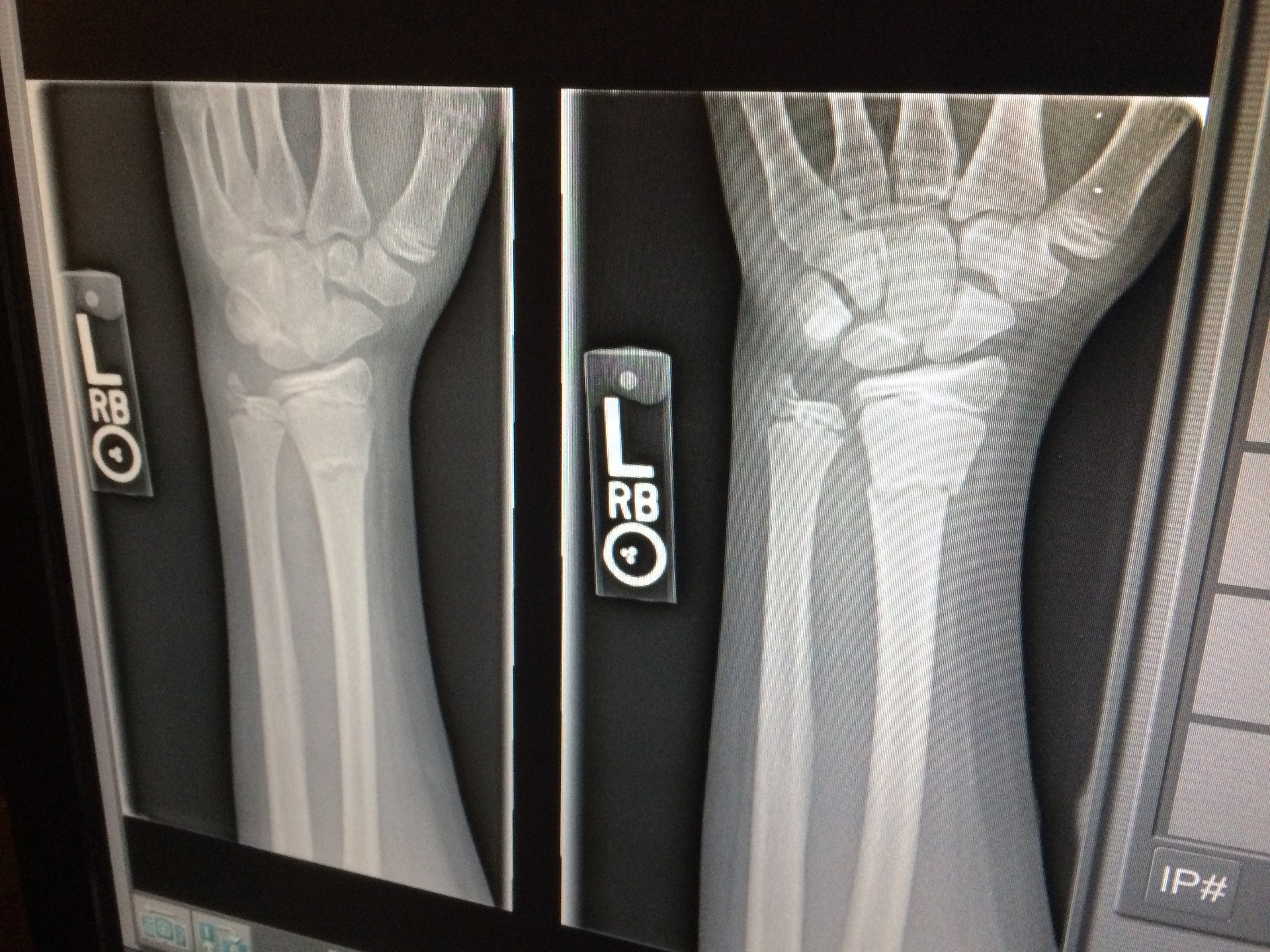
How can this be monitored? Radiation badges.

As Low As Reasonably Achievable (ALARA)
Radiation safety operates on the guiding principle of As Low As Reasonably Achievable (ALARA). This means that the radiation technologist will program the X-ray device to give the minimal amount of radiation necessary to achieve the intended images. ALARA also notes that only necessary images should be taken to limit exposure for both patient and staff.
Maximum allowable exposure:
- General workforce 5 mSv/year
- X-ray workers 50 mSv/year
Fluoroscopy
(Click the play button to load the 3D model. Then zoom in and out with your mouse or click and drag to see it from different angles.)
Protecting X-Ray Workers
Any worker who may be exposed to more X-rays as a part of their job is considered an X-ray worker. There are 3 keyways to reduce exposure:

Distance: The farther away you are from the X-ray machine the smaller the doses of X-ray energy you receive.

Time: The surgeon should limit the length of time that the x-ray beam is activated.

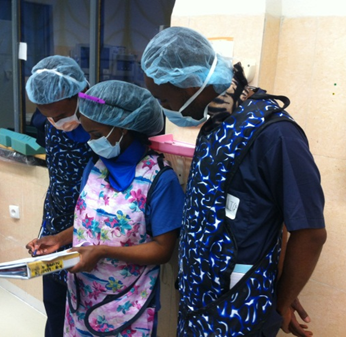
Shielding: Lead aprons and thyroid collars must be worn by all personnel who are working inside an X-ray room. Aprons should always be hung up properly after each use and not left in a pile or folded in half. This can crack the lead and leave weak parts.
X-Ray Safety in the OR
- Before imaging, the surgeon or X-ray technologist must ensure everyone in the room is protected.
- The X-ray technologist must post signs at all entrances to the room stating that X-ray is in use. The circulating nurse is responsible to ensure these signs are present.
- As Perioperative nurses, you control who enters and exits the operating room. Therefore, it is important that you warn people entering the room that X-ray is in use.
📽️ AORN CINE-MED VIDEO
Navigate to the AORN Cine-Med website and make sure that you are logged in before clicking on the link below.
- Watch the AORN Cine-Med Video on: Radiation Safety (2023) Download the included Study Guide to follow along.
- (Thread to follow in Cine-Med – Radiation Safety in Perioperative Practice)
- Runtime – 26 minutes