Other Energy Devices in the Operating Room
There are many modern technologies that are constantly emerging in the operating room. Here is a brief overview of some of these devices: (Ball, 2019; ORNAC, 2021)
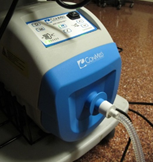
Smoke Evacuation When Using Electrosurgical and Laser Devices
When equipment generates heat to cut, coagulate, or excise tissue, plume is generated. This plume of smoke contains toxic gasses which are created when tissue cells are heated and explode. This puts perioperative personnel at risk. In a 2012 study, Hill et al., found that the passive smoke exposure a staff member is exposed to in an OR for an 8-hour shift is equivalent to them smoking 27-30 unfiltered cigarettes.
Contents of surgical smoke include:
- aromatic hydrocarbons (e.g., benzene, toluene)
- volatile organic compounds
- polycyclic aromatic hydrocarbons (e.g., anthracene)
- hydrogen cyanide
- inorganic gases (e.g., carbon monoxide)
- nitriles (e.g., acetonitrile)
- aldehydes (e.g., formaldehyde)
- viruses (e.g., HPV, HIV)
- bacteria
- blood
- cancer cells
(ORNAC, 2021; Ogg, 2016)
When to Use Smoke Evacuation
Surgical smoke evacuation should be used in all procedures where plume is created. This could be from an electrosurgical device or a laser. The smoke evacuation tip should be as close to the surgical device as possible to capture smoke before it dissipates. Many manufacturers have developed handpieces that have a smoke evacuator built into the device.
Even when performing a laparoscopic case, smoke evacuators should be used. Smoke evacuation systems have been developed to connect to a trocar port to remove plume from the abdomen.
(ORNAC, 2021)

Barriers to Smoke Evacuation
Although we know that smoke evacuator are a vital piece of equipment that must be used in the OR, many facilities still face barriers to having them used consistently. Some of the barriers include:
- The lack of equipment or supplies.
- The surgeon’s refusal to use them. They sometimes note challenges with the handpiece being conducive to the surgical procedure.
- The smoke evacuator is too noisy and is shut off.
- The staff is complacent.
None of the above are adequate reasons to not use a smoke evacuator. It is important that perioperative nurses advocate for the patient and all staff members in the room to ensure no one is exposed to unnecessary surgical smoke.
(Ball, 2019)
📽️ AORN CINE-MED VIDEO
Navigate to the AORN Cine-Med website and make sure that you are logged in before clicking on the link below.
- Surgical Smoke Safety
- Download the included Study Guide to follow along.
- (Thread to follow in Cine-Med – Patient and Worker Safety – Stop Smoking in the OR! Surgical Smoke Safety)
- Runtime – 18 minutes