Laser Safety in the Operating Room
Although lasers have many benefits, there are occupational hazards. Strict safety protocols must be in place to ensure all perioperative team members are safe when lasers are being used.
(Ball, 2019)
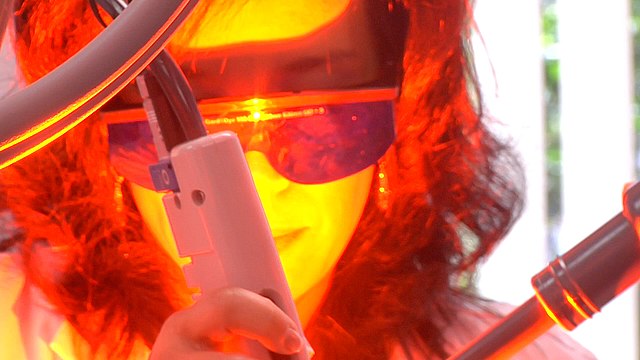
All hospitals and organizations must have policies and procedures related to safe laser use. In each institution’s policies and procedures, the following information must be covered:
Common Lasers Seen in the Perioperative Environment
Common lasers in the operating room include:
- CO2
- Erbium: YAG
- Holmium: YAG
- Nd: YAG
- KTP
- Argon
- Tunable Dye Laser
- Diode
- Excimer
You can learn more about each type of laser in your textbook. It is important to note that there are many types of lasers which have different functionalities and effects. Each laser is unique in how it is set up, tested, and used. There are different safety precautions required for staff and patients. Lasers are only to be used by perioperative personnel who have received training on that specific laser.
🧠 Graded Activity
In Blackboard, complete the Graded Activity: Laser Safety Officer.
📁Documentation Highlight
The circulating nurse must ensure that the following information is documented related to laser devices used in a procedure:
- The type of unit along with its serial number
- The safety precautions taken (i.e., eye protection, signage)
- The laser operator
- Any laser usage/other specific documentation (i.e., watts, total pulses, power setting. These will vary based on the type of laser used)