Introduction to Equipment
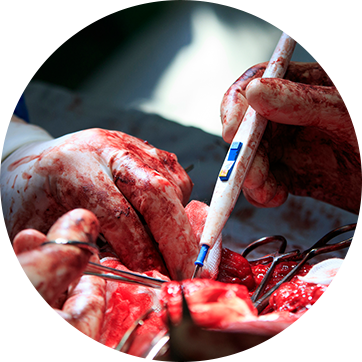
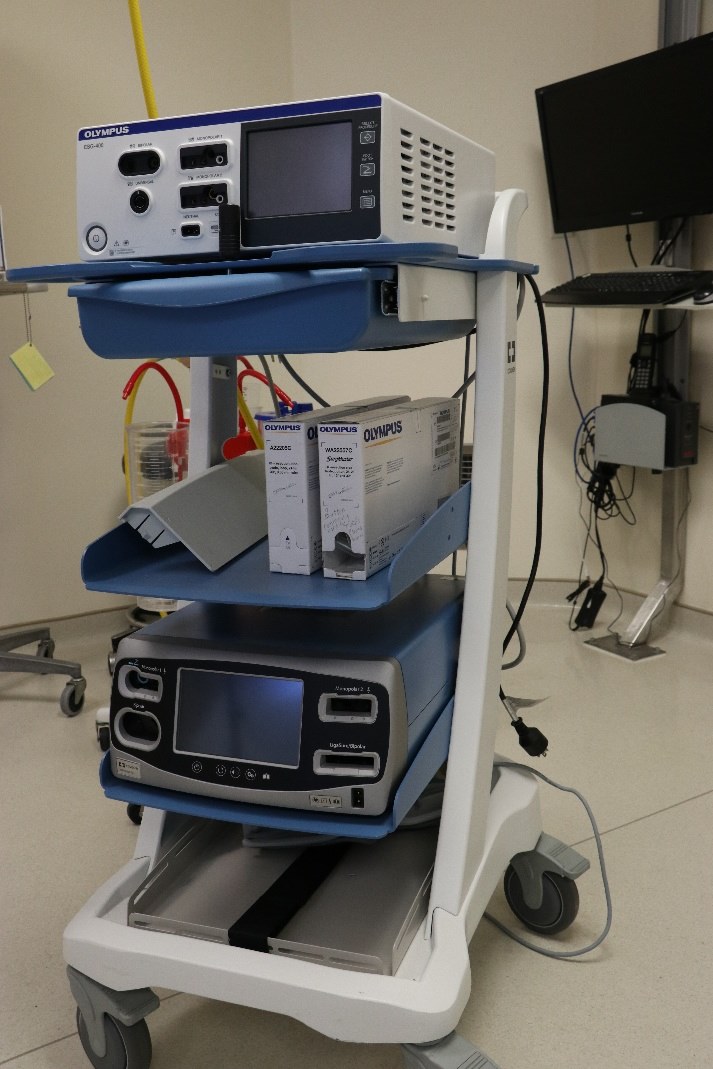
All surgery performed in Ontario hospitals or outpatient surgical centres requires some type of device that provides energy. The use of surgical energy helps the surgical team to dissect tissue and to provide hemostasis with minimal scarring.
It is vital that all perioperative personnel are trained on the safe operation of the specific equipment at their institution. ORNAC standards note that policies and procedures must be put in place that address:
- Education, training, and orientation for all perioperative personnel
- Servicing of equipment
- Maintenance of equipment
- How equipment is to be used
- Installation
- Testing of equipment
- Operation of equipment
(ORNAC, 2021)
Education
It is essential that all perioperative personnel using surgical energy have adequate training that ensures they understand:
- Different devices and how they work
- The effects of diverse types of current
- How power settings work
- The types of equipment and their proper application
- Specific principles of active electrodes
- Risks and potential thermal injuries that can occur from the active energy and the dispersive electrode
- Correct application of dispersive electrodes
(ORNAC, 2021)
Energy Generating Devices
Sometimes called cautery, Bovie, or ESU, the form of electrosurgical energy that is used today was developed by William Bovie and Harvey Cushing.
Basic Physics and Principles of Electrosurgical Energy
To understand electrosurgical energy, it is important to remember the basic principles of electricity. Electricity occurs in a predictable and consistent manner with electrons orbiting the nucleus of an atom. When they get charged, electrons jump from one atom to another which creates an electrical current.
(Ball, 2019)
There are three important basic principles to note about electricity:
- Electricity always seeks to be grounded; for example, a lightning strike.
- Electricity always follows the easiest path to be grounded or the path of least resistance; Energy often flows through metal objects because they conduct electricity well. Because of this, the perioperative nurse must ensure that no part of a patient’s body is in contact with any metal objects such as an IV pole or the metal portion of the OR table. Part of the pre-operative assessment includes ensuring that patients remove all metal jewelry to prevent the risk of a burn from the electrical surgical device.
- For electricity to flow, there must be a complete circuit; In surgical procedures using electrosurgical energy, the patient becomes part of that circuit.
Key Terms Related to Electrosurgical Energy
It is important to understand these terms which describe electrosurgical energy.
(Ball, 2019)