Sterilization
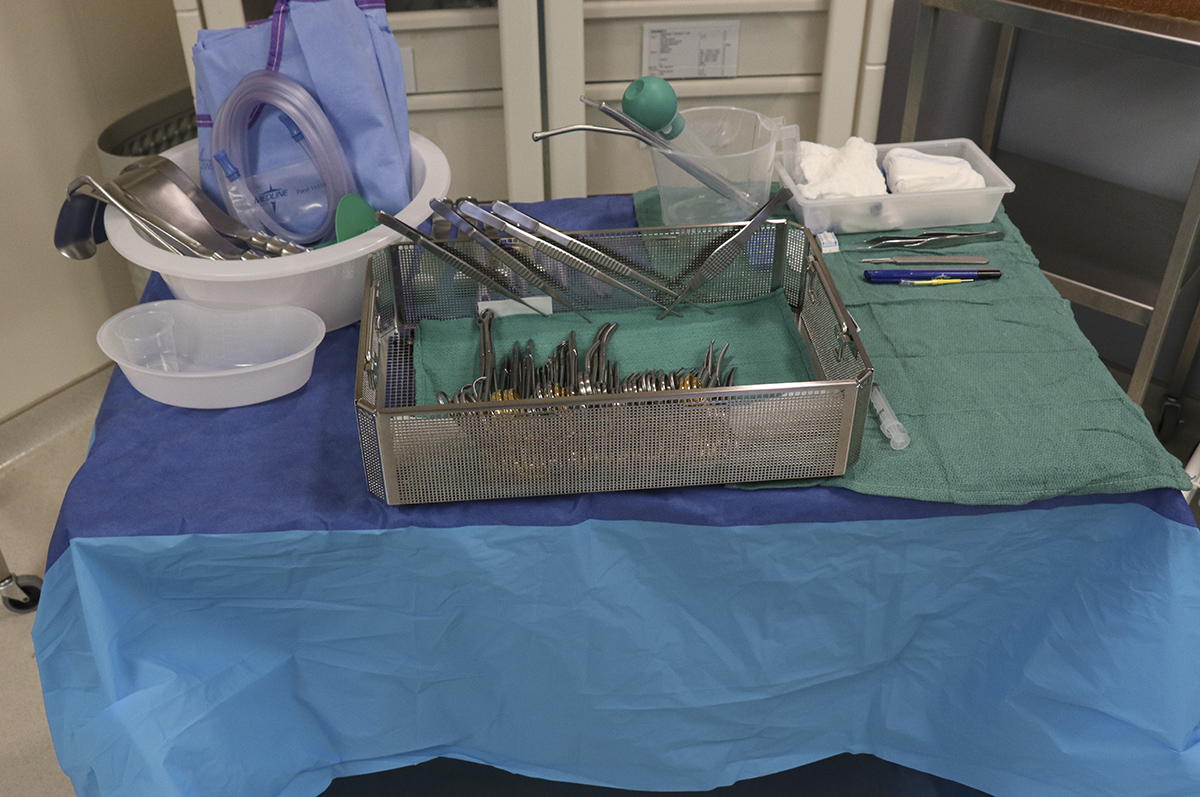
Critical items are medical equipment, instruments or devices that have direct contact with internal sterile body tissues or fluids and must be sterilized (free of bacteria or any living microorganism).
Some examples of critical items include:
- surgical instruments
- Surgical implants
- endoscopes that enter sterile spaces
- biopsy forceps and brushes
- eye equipment
- dental equipment and instruments
Sterilization of non-heat tolerant items
Some critical items may not be heat tolerant so must be sterilized in different ways using low-temperature methods and chemicals for sterilization.
Some examples of chemical sterilant include:
- hydrogen peroxide gas plasma
- vaporized hydrogen peroxide
- ozone
- hydrogen peroxide/ozone combinations
- liquid peracetic acid
- 100% ethylene oxide
- 6% hydrogen peroxide
- 2% glutaraldehyde (> 10 hours)
- 2% enhanced action formulation hydrogen peroxide (6 hours)
- 7% enhanced action formulation hydrogen peroxide (20 minutes)
(PIDAC, 2013).
Reprocessing Decision Chart
Review the PIDAC (2013). Appendix B Reprocessing Decision Chart pp. 78-80 to determine what equipment needs low-temperature sterilization.
Read Article
📽️ AORN CINE-MED VIDEO
Navigate to the AORN Cine-Med website and make sure that you are logged in before clicking on the links below.
Storage of Sterile Items
There are very specific environmental requirements that must be met to ensure the continued sterility of items. Perioperative nurses must be familiar with, and constantly vigilant about, maintaining these conditions.
Storage and Use of Reprocessed Medical Equipment/Devices
Read PIDAC (2013). Storage and Use of Reprocessed Medical Equipment/Devices pp. 59-60.
Read Article
High-Level Disinfection
Some instruments can be cleaned using high-level disinfection. These products can kill all microorganisms except for high numbers of bacterial spores. Some examples include:
- Glutaraldehyde solutions
- Ortho-phthalaldehyde
- Peracetic acid solutions
- And other disinfectants such as alcohol, chlorine compounds, hydrogen peroxide, iodine and iodophors, phenolics, and quaternary ammonium compounds
(King & Spry, 2019)
High-Level Disinfection: Ensuring Effectiveness
High-level disinfectants need to be tested to ensure their minimum effectiveness before each use. This usually involves using a test strip from the supplier and checking for appropriate indicator changes.
Most often high-level disinfection is used for items that cannot be sterilized and that are not entering a sterile body cavity.
(King & Spry, 2019)
🧠 Graded Activity
In Blackboard, complete the Graded Activity: Surgical Conscience.